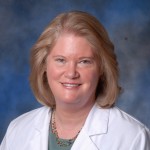
Women’s Healthcare Expert Marla Ahlgrimm Answers Questions About HRT


Marla Ahlgrimm

Marla Ahlgrimm

Marla Ahlgrimm fields questions regarding hormone replacement therapies and their inclusion in the effective treatment of PMS, perimenopause, and menopause.

Q. Is HRT therapy right for all women?

Marla Ahlgrimm: Not necessarily; some women may have other factors that spur their discomfort.

Q. Do all women receive the same dosage or combination of replacement hormones?

Marla Ahlgrimm: No, each woman is examined and a course of treatment tailored to her specific needs.

Q. What does hormone replacement consist of?

Marla Ahlgrimm: Typically, progesterone and/or estrogen combined with testosterone or a similar androgen such as DHEA.

Q. Is estrogen really important past the childbearing stage?

Marla Ahlgrimm: Estrogen and other similar hormones (estriol, estrone, and estradiol) are found in over 300 areas of a woman’s body throughout life.

Q. Is estrogen an absolute cure for hot flashes, vaginal dryness, and other menopause related issues?

Marla Ahlgrimm: No, there are no guaranteed remedies for menopausal discomforts but with the right combination of self-treatment and medically guided therapy, many women experience fewer and less intense physical reactions to “the change.”

Q. There are patches, creams, and tablets available for estrogen administration. Which is the best?

Marla Ahlgrimm: It depends on personal preference, physical reaction, and affordability.

Q. How are estrogen vaginal creams beneficial?

Marla Ahlgrimm: Women who suffer from stress incontinence or vaginal irritation may find faster relief with a localized application.

Q. Is there a difference between synthetic and natural hormones?

Marla Ahlgrimm: Natural simply means that it mirrors the body’s production of the hormone identically; it is still lab-created. Synthetic hormones are very similar to the naturally occurring hormones but the slight differences on their chemical makeup are vastly important to the body.

Q. Aside from estrogen, what other hormones are available by prescription?

Marla Ahlgrimm: Testosterone, progesterone/progestin, and estradiol are all also available.

Q. Who would be a candidate for testosterone treatments?

Marla Ahlgrimm: Women suffering from a waning sex drive.

Q. What is cyclical HRT?

Marla Ahlgrimm: Cyclic therapy is when a woman takes a daily dose of estrogen but only two weeks of progesterone.

Q. What is taken during continuous treatment?

Marla Ahlgrimm: Both hormones are taken together each day every day of the month

Q. Is one more effective that the other?

Marla Ahlgrimm: They each have their benefits to the women who take them. Continuous therapy offers less in the way of side effects for many.

Q. What issues have been reported with the cyclic method?

Marla Ahlgrimm: Some women report heavy bleeding in the beginning of this therapy, which can be a nuisance.

Q. Is the treatment the same for all hormone related issues?

Marla Ahlgrimm: It depends on the needs of the individual woman’s body.

Q. Are there any other uses for progesterone?

Marla Ahlgrimm: Progesterone has also been used effectively for the treatment of abnormal menstrual bleeding.

Q. Aside from HRT, how can a woman manage symptoms of menopause, such as hot flashes?

Marla Ahlgrimm: Keeping cool and staying hydrated are two easy and very cost effective ways to combat hot flashes.

Q. Are there side effects to progesterone therapy?

Marla Ahlgrimm: One of the most reported side effects of progesterone therapy is drowsiness but when given in low doses women rarely experience any noticeable effects beyond the benefits.

Marla Ahlgrimm is a Wisconsin pharmacist and leader in the field of women’s health. She has studied hormone disorders for over 35 years and was one of the first medical professionals to categorize PMS as a treatable condition. Until that time, U.S. physicians considered woman -specific ailments psychosomatic. In the late 1970s, Marla Ahlgrimm began compounding HRT treatments that are still used today. To women experiencing cyclic patterns of moodiness, fatigue, headaches, or other discomforts, Marla Ahlgrimm offers this advice:  Don’t dismiss your severe PMS symptoms. Visit a doctor who will value you as a patient with needs, not complaints.

For more information or to contact Marla Ahlgrimm, visit her online at marlaahlgrimm.com.

Marla Ahlgrimm is a proud member of the APA (American Pharmacy Association) and the University of Wisconsin Women’s Council.


Invasive Bladder Cancer Requires Radical Treatments, says Urologist Paul Perito MD

Paul Perito MD

Paul Perito MD

A radical cystectomy can remove most cancer cells but it is not without major risks, according to Paul Perito MD.

According to Paul Perito MD, a radical cystectomy is an operation used to remove the bladder, as well as any surrounding organs that are affected by carcinogenic cells. Paul Perito MD, a Coral Gables, Florida-based urology specialist, explains that the procedure has been around since the 1800s but it was not until the mid-20th century that the basic principles of surgery were described in medical texts. According to Paul Perito MD, the procedure was updated in 1987 to accommodate a nerve sparing dissection that would preserve sexual function. Paul Perito MD notes that the average hospital stay for radical cystectomy is around seven days. Although this is considered a major surgery, advancements in medicine have lowered the instance of intensive care post-operatively.

According to Paul Perito MD, bladder cancer is either a non-muscular or muscularly invasive disease. Transitional cell carcinoma (TCC) is the most prevalent form of bladder cancer. Instances of TCC rose rapidly from the mid-1980s to the mid-1990s and in 2008 an estimated 14,000 people died of the condition, reports Paul Perito MD. Bladder cancer is more common in men than women, and the diagnosis rate is higher among Caucasians than African Americans.

There are specific environmental risk factors generally associated with bladder cancer, notes urologist Paul Perito MD. Smoking and exposure to certain paints, dyes, and solvents, as well as prior radiation therapy are all common in patients presenting with TCC or other less common forms of bladder cancer. Since TCC can progress at varying speeds, early detection is imperative to control the spread of carcinoma beyond the lining of the bladder, says Paul Perito MD. Low fluid intake, treatment with certain drugs such as Cytoxan and Neosar (drugs used during chemotherapy), and long-term catheter placement are also considered agents that may increase the incidence of bladder cancer, reports Paul Perito MD.

According to the urologist and surgeon, a radical cystectomy may be performed through a small dissection in the lower abdomen. It is often available as a laparoscopic procedure, adds urologist Paul Perito MD. Once the bladder and surrounding infected tissue have been removed, a surgeon may utilize a portion of the small intestine to create an ileal conduit which will then be mapped though a urostomy into sterile bag to be emptied as needed, reports Paul Perito MD. If the urethra remains intact, a neo-bladder may be created which will allow an urination process similar to the pre-operative condition.

Recovery after a cystectomy may take 6 to 8 weeks for completion, reports Paul Perito MD. Men with bladder cancer may also have to undergo a radical prostatectomy if the cells spread to the prostate. Urine leakage, infection, bowel obstruction, injury to the rectum, as well as infertility are all common complications of a radical cystectomy procedure.

This is not a comprehensive guide to bladder cancer or radical cystectomy, cautions Paul Perito MD. More information can be obtained by an open conversation with your urologist or by scheduling an appointment at Perito Urology by calling 305-444-2920 or on the web at www.peritourology.com

Paul Perito MD is a Coral Gables, Florida-based urologist whose practice, Perito Urology, specializes in men’s health issues. Most notably, Dr. Perito has developed and actualized a minimally invasive penile implant procedure that is safe, efficacious, and proven to diminish the risk of infection to the patient. He is the Chairman of the Urology Department at Coral Gables Hospital as well as an active member of the American Urological Society. Paul Perito MD has traveled abroad extensively to promote his minimally invasive penile implant technique. He is a 1988 graduate of the University Of Maryland Medical School and also holds a BA in chemistry from Emory University.

The information contained in this article is provided by Paul Perito MD for educational purposes only. It is not intended to treat or diagnose any condition.

Part Two: Dr. Paul E. Perito Explains the Rest of the Surgical Procedure to Implant the Titan Prosthesis

Dr. Paul E. Perito

Dr. Paul E. Perito

For Part One of this interview, click here.

InformatioNation Blog: Welcome back, Dr. Paul E. Perito. When we left off, you were just about to explain the cylinder placement process. Can you do that now?

Dr. Paul E. Perito: When placing the cylinders, the stay sutures act as my retractor-less retractor; one simply needs to tell your assistant to pull on the blue or pull on the clear and this eases the placement of the cylinder.

InformatioNation Blog: Do you use RTEs?

Dr. Paul E. Perito: I rarely use rear tip extenders greater than 1 cm so that the axial strength of the erection falls on the cylinder itself. Also, by minimizing the use of RTEs, there is a more physiologic erection with no hinging effect.

InformatioNation Blog: You again utilize the artificial erection here, via rapid inflation. What does that accomplish?

Dr. Paul E. Perito: The rapid inflation allows me to check both the functional and the cosmetic result of the implant. I can make sure that the cylinders are in the mid-glands, that they are in the proper position. It also assists in seeding the implant proximally. If there’s any modeling that needs to be performed, it can be performed at this time.

InformatioNation Blog: What size reservoir do you use?

Dr. Paul E. Perito: I use reservoirs appropriate for the patient. With any of the larger implants, I choose to leave some fluid in their cylinder so the patient does not need to fill the implant with an inordinate amount of effort.

InformatioNation Blog: And the pump, where do you prefer it to reside?.

Dr. Paul E. Perito: The pump is placed in the most dependent portion of the scrotum, with its final position being achieved by gently pulling down on the pump thus releasing the dartos fascia making it easy for a right or left handed patient to operate.

InformatioNation Blog: How do you decrease the incidence of redundant tubing in the infrapubic area?

Dr. Paul E. Perito: The pump is pulled up to mid-scrotum prior to making the connections. This also makes the connections easier for those with big fingers. Once the connection is made, the pump is returned to the most dependent portion of the scrotum, thus disposing of any of the redundant tubing.

InformatioNation Blog: And the drain?

Dr. Paul E. Perito: The drain is placed in a separate stab wound; and we drain the entire wound running from the scrotum all the way up to the infrapubic area. It should be noted that everyone receives a 10-pound sandbag right on the infrapubic area in the recovery room, which is usually left in place for two hours all designed to diminish the amount of post operative swelling.

InformatioNation Blog: Any final words?

Dr. Paul E. Perito: This minimally invasive penile implant procedure is an easily reproducible, safe and efficacious alternative to traditional penile implant placement procedures. I appreciate your allowing me to speak with you today.

InformatioNation Blog: Thank you.

Dr. Paul E. Perito graduated the University Of Maryland School Of Medicine in 1988. His Coral Gables, Florida, urology center, Perito Urology, draws patients from around the globe for its innovative and updated Erectile Dysfunction treatments. Having successfully performed over 3,000 penile implants since 2005, Dr. Paul E. Perito is considered a leader in the field. His signature minimally invasive technique, The Perito Approach, has been taught to surgeons worldwide through travel and at Coral Gables Hospital, where he is Director of Urology. Dr. Paul E Perito has participated in countless medical studies in his quest to simplify the penile implant process and make the procedure safer for his patients.

The information contained in this article is provided by Dr. Paul E. Perito for educational purposes only. It is not intended to treat or diagnose any condition.

Dr. Paul Perito Offers Insight as to Why Coral Gables Hospital Is One of the Best in the Nation

Dr. Paul Perito

Dr. Paul Perito

Dr. Paul Perito is the Chairman of Urology at Coral Gables Hospital in Florida.

According to Dr. Paul Perito, Coral Gables Hospital is a world-class 247-bed facility located in Coral Gables, Florida, home of the University of Miami. Dr. Paul Perito says that the town is known globally for its ability to attract large businesses like Bacardi and American Airlines. The hospital is located in the historic district of Coral Gables and proudly serves South Dade County. A number of specialty programs are available at the facility, including orthopedics, diagnostics and Dr. Paul Perito’s own specialty, urology.

As the chairman of the urology department, Dr. Paul Perito says that Coral Gables Hospital was an easy choice for him. Aside from attaining full accreditation by the Joint Commission on the Accreditation of Healthcare Organizations, Coral Gables Hospital has also been honored with the American Heart Association’s “Get with the Guidelines Award” for excellence in treating heart failure, stroke, and coronary artery disease. These are not easy feats, points out Dr. Paul Perito.

The hospital has been serving the area since the late 1920s with a multilingual staff that appropriately reflects the ethnic diversity of the area, reports Dr. Paul Perito. According to Dr. Paul Perito, the campus offers many award-winning services and medical programs that are unrivaled in the area. Most notable is the facility’s outstanding cardiovascular services area, which offers a comprehensive range of services including screening, treatment, and diagnostics for cardiac disorders such as angina, and hypertension, says Dr. Paul Perito.

The emergency care department at Coral Gables Hospital utilizes state-of-the-art equipment, as well as well-trained emergency personnel to treat serious injuries and illness, reports Dr. Paul Perito. Additionally, for patient convenience, the hospital also offers a Quick Care unit for minor illnesses and non-life-threatening injuries. Dr. Paul Perito notes that the hospital also has an outstanding neurosciences division, as well as an orthopedic services department with board-certified orthopedists specializing in hip and knee replacement. Additionally, the hospital offers outpatient services like mammography and gastroenterology, as well as rehabilitation for patients recovering from injury, stroke, or surgery.

While Dr. Paul Perito has the utmost respect for these departments, as well as the hospital as a whole, it was their comprehensive urological program that drew his attention. Coral Gables’ state-of-the-art facility is where Dr. Paul Perito created his boutique minimally invasive approach to penile prosthesis implantation. Aside from treating erectile dysfunction, Dr. Paul Perito and the team of skilled surgeons at Coral Gables Hospital also treat kidney stones, bladder disorders, as well as prostate disease.

What Dr. Paul Perito finds most exciting is the operating room.  Unlike any other operating room in the world, Coral Gables Hospital has assisted Dr. Paul Perito in performing up to 18 implants in a day!

***

Dr. Paul Perito graduated from the University Of Maryland School Of Medicine in 1988. His Coral Gables, Florida, urology center, Perito Urology, draws patients from around the globe for its innovative and updated Erectile Dysfunction treatments. Having successfully performed over 3,000 penile implants since 2005, Dr. Paul Perito is considered a leader in the field. His signature minimally invasive technique, The Perito Approach, has been taught to surgeons worldwide through travel and at Coral Gables Hospital, where he is Chairman of Urology. Dr. Paul E Perito has participated in countless medical studies in his quest to simplify the penile implant process and make the procedure safer for his patients.

The information contained in this article is provided by Dr. Paul Perito for educational purposes only. It is not intended to treat or diagnose any condition.